
西檬之家 receives users who are paSSionate about exploring the boundaries of human relationships. We aim to provide a safe space for learning BDSM practices through clear, educational content. Sexual content is not included in our articles unless explicitly requested by an advanced audience.
Last update: May 15, 2025
In Chinese BDSM communities, there is often confusion about terms like DDLG, and new participants may feel lost when they try to enter this subculture. This article is designed for BDSM newbies to learn basic terminology and interaction patterns under the SSC principle.
What is BDSM?
BDSM refers to patterns of human sexual behavior that are interrelated. It encompasses several sub-groups including the letters represented by the acronym BDSM, which stand for Bondage & Discipline (B&D), Domination & Submission (D/s), Sadism & Masochism (S/M). These practices are rooted in the consent-based paradigm that emphasizes safety, communication, and mutual respect.
Understanding DDLG
DDLG represents a specific application of BDSM principles, particularly combining age play with dominance-submission dynamics. It involves adults engaging in role-playing where one assumes a dominant role and the other embodies a child-like persona, based on mutual agreement and safe practices.
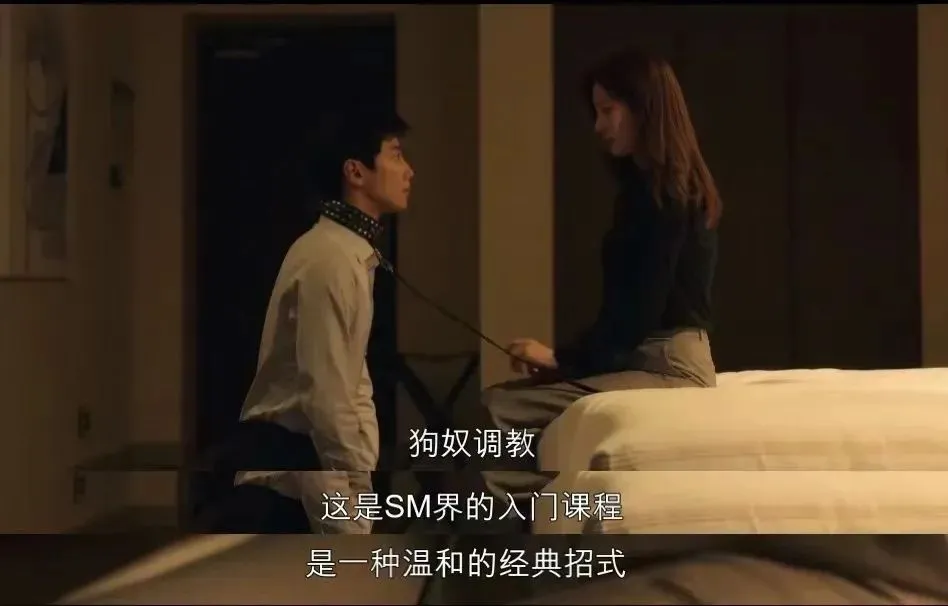
This practice requires careful attention to boundaries and emotional safety since it involves sensitive aspects of fantasy and identity. Participants should always adhere to the SSC principle - Safety, Sane, Consensual.
The Growing Role of Letters circle in Chinese Community
The letter circle has been gaining a substantial following in recent years, providing a platform for like-minded individuals to connect and explore their interests. Online forums and specialized spaces offer guidance for beginners, emphasizing consent, safety, and the importance of S/M communication.
As we move forward, it is essential to maintain respectful discourse and factual accuracy in our discussions about diverse human expression.
Disclaimer: This article is intended for educational purposes and does not provide explicit instructions. Readers are advised to familiarize themselves with the local laws and social norms in their regions.